Gardening for Couples: Enhancing Wellbeing Together
- Neil Bottrill
- Jun 21
- 4 min read

Gardening is more than just a hobby; it’s a way to connect with nature and each other. For couples, engaging in gardening together can enhance wellbeing, foster communication, and create lasting memories. Whether you have a sprawling backyard or a small balcony, gardening offers a unique opportunity to bond while nurturing plants and each other. In this post, we will explore the benefits of gardening for couples, practical tips for getting started, and how to make the most of your gardening experience together.
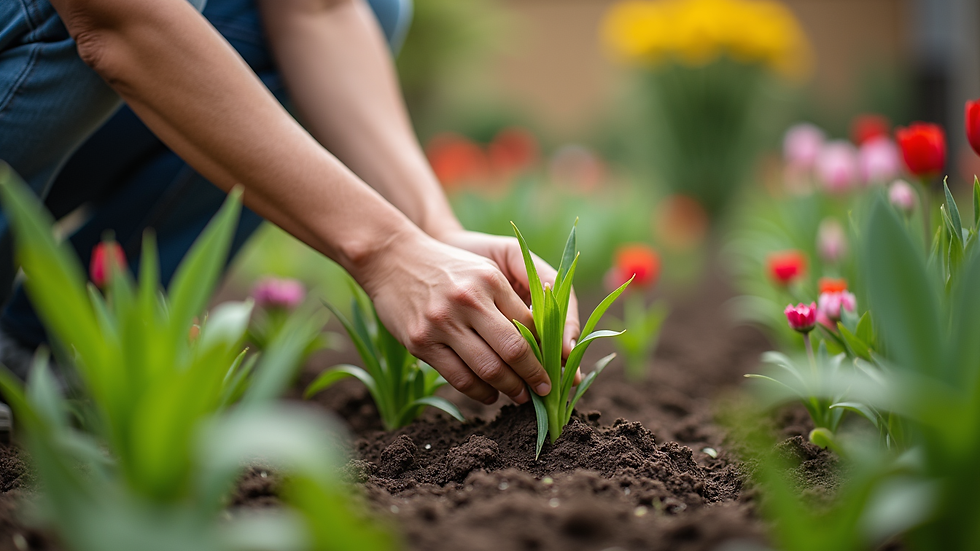
The Benefits of Gardening Together
Strengthening Relationships
Gardening as a couple can significantly strengthen your relationship. Working together towards a common goal encourages teamwork and communication. Here are some ways gardening can enhance your bond:
Shared Goals: Setting gardening goals, whether it’s growing vegetables or creating a flower bed, fosters collaboration.
Quality Time: Spending time together outdoors can improve your connection and create cherished memories.
Conflict Resolution: Navigating challenges in gardening, such as pest control or plant care, can improve your problem-solving skills as a couple.
Physical and Mental Health Benefits
Gardening is not just good for your relationship; it also has numerous health benefits. Engaging in physical activity outdoors can lead to improved physical and mental health:
Exercise: Gardening involves various physical activities, from digging to planting, which can help maintain fitness.
Stress Relief: Being in nature has been shown to reduce stress and anxiety levels. The act of gardening can be meditative, providing a sense of calm.
Nutrition: Growing your own fruits and vegetables can lead to healthier eating habits, as you have fresh produce at your fingertips.
Learning Together
Gardening provides an excellent opportunity for couples to learn new skills together. Whether you are seasoned gardeners or just starting, there’s always something new to discover:
Plant Care: Understanding how to care for different plants can be a fun learning experience.
Sustainability Practices: Learning about composting, organic gardening, and sustainable practices can deepen your connection to the environment.
Cooking Together: If you grow your own herbs and vegetables, you can experiment with new recipes together, enhancing your culinary skills.
Getting Started with Gardening
Choosing the Right Space
Before you start planting, it’s essential to choose the right space for your garden. Consider the following factors:
Sunlight: Most plants require at least 6 hours of sunlight per day. Observe your space to determine the best location.
Accessibility: Ensure the garden is easily accessible for both partners. Raised beds or container gardens can be great options for small spaces.
Soil Quality: Test the soil in your chosen area. You may need to amend it with compost or other organic materials to ensure healthy plant growth.
Selecting Plants
Choosing the right plants is crucial for a successful garden. Here are some tips for selecting plants that suit your gardening style:
Start Small: If you’re new to gardening, begin with a few easy-to-grow plants, such as herbs (basil, mint) or vegetables (lettuce, radishes).
Consider Your Climate: Research plants that thrive in your local climate and soil conditions.
Personal Preferences: Choose plants that you both enjoy. If you love cooking, consider growing herbs and vegetables. If you prefer aesthetics, opt for colorful flowers.
Planning Your Garden Layout
Once you have selected your plants, it’s time to plan your garden layout. Here are some ideas to consider:
Companion Planting: Research which plants grow well together. For example, tomatoes and basil are known to thrive alongside each other.
Vertical Gardening: If space is limited, consider vertical gardening techniques, such as trellises or wall planters, to maximize your area.
Seasonal Rotation: Plan for seasonal changes by rotating crops to maintain soil health and prevent pests.
Making Gardening a Fun Activity
Setting a Schedule
To make gardening enjoyable, establish a regular schedule for working in the garden together. Here are some tips:
Weekly Gardening Days: Set aside specific days each week for gardening. This creates a routine and gives you something to look forward to.
Seasonal Projects: Plan seasonal projects, such as planting bulbs in the fall or starting seedlings in the spring, to keep things interesting.
Incorporating Fun Elements
Gardening doesn’t have to be all work. Incorporate fun elements to make the experience enjoyable:
Garden Parties: Host a small gathering with friends or family to show off your garden and enjoy the fruits of your labor.
Themed Gardens: Create themed sections in your garden, such as a butterfly garden or a herb spiral, to add creativity and excitement.
Gardening Challenges: Set friendly competitions, such as who can grow the tallest sunflower or the most tomatoes, to keep the spirit lively.
Celebrating Your Achievements
As you progress in your gardening journey, take time to celebrate your achievements together. Here are some ideas:
Harvest Celebrations: Host a small dinner featuring dishes made from your homegrown produce.
Garden Tours: Invite friends and family to tour your garden and share your gardening journey.
Documenting Progress: Keep a gardening journal or take photos to document your progress and reflect on your experiences together.
Overcoming Challenges Together
Dealing with Setbacks
Gardening can come with its fair share of challenges. Here’s how to navigate setbacks as a couple:
Pest Problems: Research organic pest control methods together and implement them as a team.
Weather Issues: Be prepared for unexpected weather changes. Discuss how to protect your plants during storms or extreme heat.
Plant Failures: Not every plant will thrive. Use failures as learning experiences and discuss what you can do differently next time.
Supporting Each Other
Gardening is a journey that requires patience and support. Here are ways to support each other through the process:
Encouragement: Celebrate small victories and encourage each other during tough times.
Sharing Responsibilities: Divide tasks based on each person’s strengths and interests. One partner may enjoy planting while the other prefers weeding.
Open Communication: Maintain open lines of communication about what’s working and what isn’t. This will help you grow together, both in the garden and in your relationship.
Conclusion
Gardening together can be a fulfilling and enriching experience for couples. It offers a unique blend of physical activity, mental health benefits, and opportunities for connection. By choosing the right space, selecting suitable plants, and making the experience enjoyable, you can enhance your relationship while nurturing your garden. So grab your gardening gloves, and start cultivating not just plants, but a deeper bond with your partner. Happy gardening!


Comments